
Trichlorobenzene Prices, Trend, Chart, Market Analysis, News, Demand, Historical and Forecast Data Report 2026 Edition
Trichlorobenzene Price Trend, Index and Forecast
Track the latest insights on trichlorobenzene price trend and forecast with detailed analysis of regional fluctuations and market dynamics across North America, Latin America, Central Europe, Western Europe, Eastern Europe, Middle East, North Africa, West Africa, Central and Southern Africa, Central Asia, Southeast Asia, South Asia, East Asia, and Oceania.
Trichlorobenzene Prices Outlook Q2 2026
- India: USD 78510/MT
- Japan: USD 72670/MT
- China: USD 62808/MT
- South Korea: USD 82436/MT
- Indonesia: USD 63950/MT
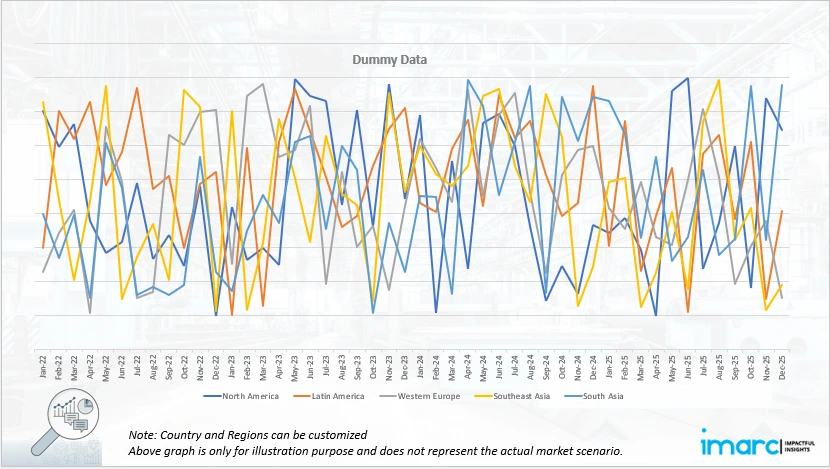
Trichlorobenzene Prices Chart
Get real-time access to monthly/quarterly/yearly prices Request Sample
During the second quarter of 2026, the trichlorobenzene prices in India reached 78510 USD/MT in June. The market experienced upward price pressure as industrial demand for chlorinated aromatic compounds remained supportive across chemical manufacturing applications. Trichlorobenzene consumption is influenced by its use in specialty chemical production, chemical intermediates, and selected solvent and processing applications.
During the second quarter of 2026, the trichlorobenzene prices in Japan reached 72670 USD/MT in June. The market recorded an upward movement as specialty chemical consumption and manufacturing cost conditions supported supplier quotations. Trichlorobenzene demand remained connected to chemical intermediates, industrial processing, and applications requiring chlorinated aromatic compounds. Production expenses were influenced by the availability and cost of benzene derived feedstocks and chlorination inputs.
During the second quarter of 2026, the trichlorobenzene prices in China reached 62808 USD/MT in June. Prices increased as chemical manufacturing activity and upstream cost conditions supported market quotations. Demand from specialty chemical producers remained an important influence, particularly where trichlorobenzene is used as an intermediate or processing material. Feedstock availability, including benzene and chlorine related inputs, affected production economics and influenced supplier pricing decisions.
During the second quarter of 2026, the trichlorobenzene prices in South Korea reached 82436 USD/MT in June. The market registered upward price movement as specialty chemical manufacturing and industrial procurement supported demand for chlorinated aromatic materials. Trichlorobenzene consumption remained associated with chemical intermediates and selected industrial applications requiring specific aromatic chemical properties. Higher upstream feedstock costs influenced production economics, while regional supply chain conditions affected the availability of material for downstream users.
During the second quarter of 2026, the trichlorobenzene prices in Indonesia reached 63950 USD/MT in June. The market experienced a moderate increase as industrial chemical demand and imported supply conditions influenced pricing. Trichlorobenzene consumption remained connected to specialty chemical applications and manufacturing processes requiring chlorinated aromatic compounds. Because regional availability and import dependence can affect procurement costs, freight expenses and supplier delivery conditions remained important influences on local quotations.
Regional Coverage
The report provides a detailed analysis of the market across different regions, each with unique pricing dynamics influenced by localized market conditions, supply chain intricacies, and geopolitical factors. This includes price trends, price forecast and supply and demand trends for each region, along with spot prices by major ports. The report also provides coverage of FOB and CIF prices, as well as the key factors influencing trichlorobenzene prices.
Europe Trichlorobenzene Price Trend
Q2 2026:
The trichlorobenzene price index in Europe was influenced by chemical manufacturing demand, raw material expenses, and the availability of chlorinated aromatic intermediates during Q2 2026. Regional producers and downstream users continued to monitor benzene derived feedstock costs and chlorine related input conditions, which affected manufacturing economics. Demand from specialty chemicals, industrial processing, and intermediate production provided support for consumption. European buyers also remained attentive to environmental compliance requirements and handling practices associated with chlorinated aromatic compounds, influencing operating and procurement costs. Supply chain conditions affected the availability of imported material, while manufacturers considered production schedules and inventory levels when negotiating purchases. Competition from alternative chemical intermediates influenced demand in selected applications, although technical requirements limited substitution in some processes.
This analysis can be extended to include detailed trichlorobenzene price information for a comprehensive list of countries.
| Region | Countries Covered |
|---|---|
| Europe | Germany, France, United Kingdom, Italy, Spain, Russia, Turkey, Netherlands, Poland, Sweden, Belgium, Austria, Ireland, Switzerland, Norway, Denmark, Romania, Finland, Czech Republic, Portugal, and Greece, among other European countries. |
North America Trichlorobenzene Price Trend
Q2 2026:
The trichlorobenzene price index in North America was influenced by specialty chemical demand, feedstock economics, and industrial procurement conditions. Trichlorobenzene consumption remained associated with chemical intermediate production and selected industrial applications requiring chlorinated aromatic materials. Changes in benzene related raw material costs and chlorine availability affected supplier manufacturing expenses and influenced price negotiations. Industrial buyers continued to evaluate inventory requirements against production schedules, with procurement decisions shaped by supply reliability and material specifications. Domestic production conditions and international trade flows also affected regional availability. Environmental compliance requirements related to the handling and use of chlorinated aromatic compounds influenced operating procedures and purchasing considerations.
Specific trichlorobenzene historical data within the United States and Canada can also be provided.
| Region | Countries Covered |
|---|---|
| North America | United States and Canada |
Middle East and Africa Trichlorobenzene Price Trend
Q2 2026:
The study includes trichlorobenzene price trends across the Middle East and Africa, taking into consideration variables that have a direct impact on market prices, such as regional industrial expansion, natural resource availability, and geopolitical conflicts.
In addition to region-wise data, information on trichlorobenzene prices for countries can also be provided.
| Region | Countries Covered |
|---|---|
| Middle East & Africa | Saudi Arabia, UAE, Israel, Iran, South Africa, Nigeria, Oman, Kuwait, Qatar, Iraq, Egypt, Algeria, and Morocco, among other Middle Eastern and African countries. |
Asia Pacific Trichlorobenzene Price Trend
Q2 2026:
The Asia Pacific trichlorobenzene market experienced upward price movement, with India, Japan, China, South Korea, and Indonesia recording increases. Regional demand was supported by specialty chemical manufacturing and the use of chlorinated aromatic compounds in industrial applications. Feedstock costs, including benzene and chlorine related inputs, influenced production economics across major chemical manufacturing centers. China and South Korea remained important contributors to regional chemical supply, while Japan and India maintained demand from downstream industrial and specialty chemical applications. Indonesia's market was influenced by imported material availability and regional logistics conditions.
This trichlorobenzene price analysis can be expanded to include a comprehensive list of countries within the region.
| Region | Countries Covered |
|---|---|
| Asia Pacific | China, India, Indonesia, Pakistan, Bangladesh, Japan, Philippines, Vietnam, Thailand, South Korea, Malaysia, Nepal, Taiwan, Sri Lanka, Hongkong, Singapore, Australia, and New Zealand, among other Asian countries. |
Latin America Trichlorobenzene Price Trend
Q2 2026:
The trichlorobenzene market in Latin America is primarily shaped by regional import dependency and downstream industrial demand. However, due to logistics constraints and varying regulatory regimes, trichlorobenzene prices might fluctuate dynamically across the region.
This comprehensive review can be extended to include specific countries within the region.
| Region | Countries Covered |
|---|---|
| Latin America | Brazil, Mexico, Argentina, Columbia, Chile, Ecuador, and Peru, among other Latin American countries. |
Trichlorobenzene Pricing Report, Market Analysis, and News
IMARC's latest publication, “Trichlorobenzene Prices, Trend, Chart, Demand, Market Analysis, News, Historical and Forecast Data Report 2026 Edition,” presents a detailed examination of the trichlorobenzene market, providing insights into both global and regional trends that are shaping prices. This report delves into the spot price of trichlorobenzene at major ports and analyzes the composition of prices, including FOB and CIF terms. It also presents detailed trichlorobenzene prices trend analysis by region, covering North America, Europe, Asia Pacific, Latin America, and Middle East and Africa. The factors affecting trichlorobenzene pricing, such as the dynamics of supply and demand, geopolitical influences, and sector specific developments, are thoroughly explored. This comprehensive report helps stakeholders stay informed with the latest market news, regulatory updates, and technological progress, facilitating informed strategic decision-making and forecasting.
Trichlorobenzene Industry Analysis
The global trichlorobenzene market size reached USD 317.4 Million in 2025. By 2034, the market is expected to reach USD 524.3 Million, at a projected CAGR of 5.56% during 2026-2034. Market growth is being driven by demand for specialty chemical intermediates, continued use in industrial processing applications, and expanding chemical manufacturing activity, which sustain consumption of chlorinated aromatic compounds and encourage reliable feedstock procurement across downstream industries.
Latest News and Developments:
- June 2026: A recent study investigated the thermal degradation of 1,2,3 trichlorobenzene, a precursor of persistent dioxins, during waste polyurethane combustion. Researchers found that polyurethane significantly enhanced hydrodechlorination, potentially due to nitrogen containing species released during thermal decomposition. Total degradation reached its highest reported level within the tested temperature range.
Product Description
Trichlorobenzene is an aromatic chlorinated organic compound consisting of a benzene ring substituted with three chlorine atoms. It exists as positional isomers, with physical and chemical properties varying according to the arrangement of the chlorine substituents. The compound is generally characterized by chemical stability, low water solubility, and solubility in selected organic solvents. These properties support its use in specialized chemical manufacturing and industrial processing applications. Trichlorobenzene is produced through chlorination processes involving aromatic feedstocks, followed by purification and separation to obtain the required isomer and product specification. It is used as a chemical intermediate in the production of specialty chemicals, dyes, pigments, and selected agricultural chemical intermediates. It may also serve as a processing medium or solvent in specific industrial applications where its properties are suitable.
Report Coverage
| Key Attributes | Details |
|---|---|
| Product Name | Trichlorobenzene |
| Report Features | Exploration of Historical Trends and Market Outlook, Industry Demand, Industry Supply, Gap Analysis, Challenges, Trichlorobenzene Price Analysis, and Segment-Wise Assessment. |
| Currency/Units | US$ (Data can also be provided in local currency) or Metric Tons |
| Region/Countries Covered | The current coverage includes analysis at the global and regional levels only. Based on your requirements, we can also customize the report and provide specific information for the following countries: Asia Pacific: China, India, Indonesia, Pakistan, Bangladesh, Japan, Philippines, Vietnam, Thailand, South Korea, Malaysia, Nepal, Taiwan, Sri Lanka, Hongkong, Singapore, Australia, and New Zealand Europe: Germany, France, United Kingdom, Italy, Spain, Russia, Turkey, Netherlands, Poland, Sweden, Belgium, Austria, Ireland, Switzerland, Norway, Denmark, Romania, Finland, Czech Republic, Portugal and Greece North America: United States and Canada Latin America: Brazil, Mexico, Argentina, Columbia, Chile, Ecuador, and Peru Middle East & Africa: Saudi Arabia, UAE, Israel, Iran, South Africa, Nigeria, Oman, Kuwait, Qatar, Iraq, Egypt, Algeria, and Morocco The list of countries presented is not exhaustive. Information on additional countries can be provided if required by the client. |
| Information Covered for Key Suppliers |
|
| Customization Scope | The report can be customized as per the requirements of the customer |
| Report Price and Purchase Option |
Plan A: Monthly Updates - Annual Subscription
Plan B: Quarterly Updates - Annual Subscription
Plan C: Biannually Updates - Annual Subscription
|
| Post-Sale Analyst Support | 360-degree analyst support after report delivery |
| Delivery Format | PDF and Excel through email (We can also provide the editable version of the report in PPT/Word format on special request) |
Key Benefits for Stakeholders:
- IMARC’s report presents a detailed analysis of trichlorobenzene pricing, covering global and regional trends, spot prices at key ports, and a breakdown of Ex Works, FOB, and CIF prices.
- The study examines factors affecting trichlorobenzene price trend, including raw material costs, supply-demand shifts, geopolitical impacts, and industry developments, offering insights for informed decision-making.
- The competitive landscape review equips stakeholders with crucial insights into the latest market news, regulatory changes, and technological advancements, ensuring a well-rounded, strategic overview for forecasting and planning.
- IMARC offers various subscription options, including monthly, quarterly, and biannual updates, allowing clients to stay informed with the latest market trends, ongoing developments, and comprehensive market insights. The trichlorobenzene price charts ensure our clients remain at the forefront of the industry.
Need more help?
- Speak to our experienced analysts for insights on the current market scenarios.
- Include additional segments and countries to customize the report as per your requirement.
- Gain an unparalleled competitive advantage in your domain by understanding how to utilize the report and positively impacting your operations and revenue.
- For further assistance, please connect with our analysts.
 Request Customization
 Inquire Before Buying
 Speak to an Analyst
 Request Brochure
Benefits of Customization
- Personalize this research
- Triangulate with your data
- Get data as per your format and definition
- Gain a deeper dive into a specific application, geography, customer, or competitor
- Any level of personalization
Get in Touch With Us
UNITED STATES
Phone: +1-201-971-6302
INDIA
Phone: +91-120-433-0800
UNITED KINGDOM
Phone: +44-753-714-6104
Email: [email protected]
Client Testimonials




.webp)




.webp)













Related Reports

Why Choose Us
IMARC offers trustworthy, data-centric insights into commodity pricing and evolving market trends, enabling businesses to make well-informed decisions in areas such as procurement, strategic planning, and investments. With in-depth knowledge spanning more than 1000 commodities and a vast global presence in over 150 countries, we provide tailored, actionable intelligence designed to meet the specific needs of diverse industries and markets.
1000
+Commodities
150
+Countries Covered
3000
+Clients
20
+Industry

Robust Methodologies & Extensive Resources
IMARC delivers precise commodity pricing insights using proven methodologies and a wealth of data to support strategic decision-making.

Subscription-Based Databases
Our extensive databases provide detailed commodity pricing, import-export trade statistics, and shipment-level tracking for comprehensive market analysis.

Primary Research-Driven Insights
Through direct supplier surveys and expert interviews, we gather real-time market data to enhance pricing accuracy and trend forecasting.

Extensive Secondary Research
We analyze industry reports, trade publications, and market studies to offer tailored intelligence and actionable commodity market insights.
Trusted by 3000+ industry leaders worldwide to drive data-backed decisions. From global manufacturers to government agencies, our clients rely on us for accurate pricing, deep market intelligence, and forward-looking insights.