
Monel Prices, Trend, Chart, Demand, Market Analysis, News, Historical and Forecast Data Report 2026 Edition
Monel Price Trend, Index and Forecast
Track the latest insights on monel price trend and forecast with detailed analysis of regional fluctuations and market dynamics across North America, Latin America, Central Europe, Western Europe, Eastern Europe, Middle East, North Africa, West Africa, Central and Southern Africa, Central Asia, Southeast Asia, South Asia, East Asia, and Oceania.
Monel Prices Outlook Q2 2026
- USA: USD 47207/MT
- Japan: USD 50432/MT
- Germany: USD 42681/MT
- UAE: USD 45195/MT
- India: USD 46430/MT
Monel Price Chart
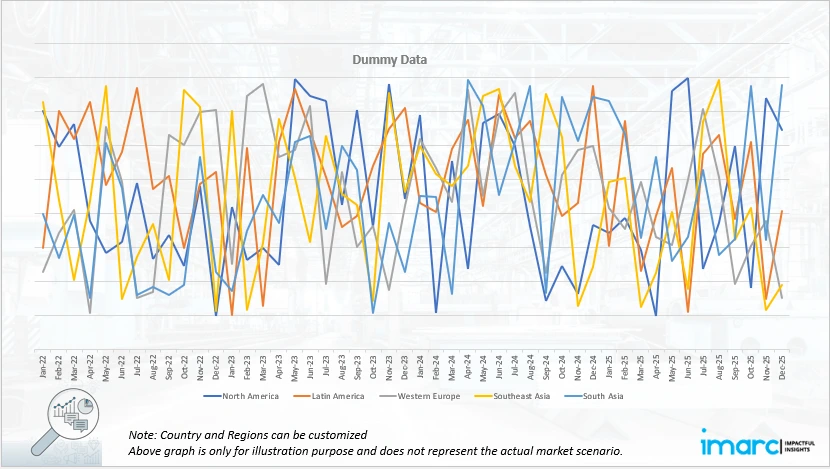
Get real-time access to monthly/quaterly/yearly prices Request Sample
During the second quarter of 2026, the monel prices in the USA reached 47207 USD/MT in June. Prices moved upward as firmer nickel and copper input costs raised alloy production expenses and encouraged producers to maintain stronger offers. Demand from aerospace, defense, marine engineering, chemical processing, and specialized industrial equipment remained supportive, particularly for grades requiring corrosion resistance and reliable mechanical performance. Specialty alloy availability also stayed relatively disciplined, limiting aggressive discounting from mills and distributors.
During the second quarter of 2026, the monel prices in Japan reached 50432 USD/MT in June. Prices strengthened as imported nickel and copper costs remained firm and elevated the replacement cost of specialty alloy feedstock. Japanese buyers from marine equipment, precision engineering, chemical processing, and advanced manufacturing continued to require corrosion resistant materials, supporting steady procurement of Monel grades. Supply remained orderly, but dependence on imported raw materials exposed domestic buyers to freight costs and changes in international metal availability.
During the second quarter of 2026, the monel prices in Germany reached 42681 USD/MT in June. Prices rose as stronger copper related cost pressure and constrained nickel availability increased the expense of producing and replacing specialty alloys. European manufacturers also faced elevated energy, processing, and logistics costs, which supported firmer mill quotations for corrosion resistant nickel copper materials. Demand from chemical processing, marine systems, aerospace, defense, and engineered equipment remained supportive for high specification alloy products.
During the second quarter of 2026, the monel prices in the UAE reached 45195 USD/MT in June. Prices increased as higher nickel and copper replacement costs raised import values for specialty alloys used across energy, marine, desalination, and industrial processing applications. Regional demand remained supported by maintenance activity and equipment requirements in corrosive service environments, where Monel is valued for resistance to seawater and aggressive chemicals.
During the second quarter of 2026, the monel prices in India reached 46430 USD/MT in June. Prices moved higher as imported nickel costs, copper values, and specialty alloy conversion expenses supported firmer replacement levels. Indian demand from chemical processing, marine equipment, power related applications, engineering fabrication, and specialized industrial maintenance remained steady, creating a stable consumption base for corrosion resistant alloys.
Monel Prices Outlook Q1 2026
- USA: USD 46287/MT
- Japan: USD 49506/MT
- Germany: USD 41450/MT
- UAE: USD 44213/MT
- India: USD 45368/MT
During the first quarter of 2026, the monel prices in the USA reached 46287 USD/MT in March. Prices declined as downstream procurement softened across marine, aerospace, and chemical processing sectors. Buyers remained cautious due to elevated inventory positions and slower fresh order placement. Nickel linked cost support was present, but it was not strong enough to offset weak purchasing momentum. Stainless steel and specialty alloy buyers delayed restocking, expecting better price opportunities.
During the first quarter of 2026, the monel prices in Japan reached 49506 USD/MT in March. Prices moved upward as demand from precision engineering, electronics, and marine equipment manufacturers improved. Buyers increased procurement to secure material before further cost adjustments. Feedstock nickel prices remained firm, supporting supplier offers. Domestic availability stayed balanced, but limited discounting from mills helped maintain upward price momentum.
During the first quarter of 2026, the monel prices in Germany reached 41450 USD/MT in March. Prices increased as demand from chemical processing, energy, and engineering applications improved. Buyers returned to the market after earlier destocking, supporting fresh spot activity. Feedstock cost pressure, especially from nickel and copper markets, helped suppliers raise offers. European producers also faced elevated operating costs, which limited price flexibility.
During the first quarter of 2026, the monel prices in the UAE reached 44213 USD/MT in March. Prices rose as demand from the oil and gas, desalination, and marine sectors strengthened. Buyers increased procurement for corrosion resistant alloy products used in harsh operating environments. Regional trading activity improved as distributors replenished inventories after restrained buying earlier. Feedstock cost support also encouraged firmer supplier quotations. Import dependent availability remained stable, but freight and handling costs added pressure to delivered prices.
During the first quarter of 2026, the monel prices in India reached 45368 USD/MT in March. Prices increased as procurement improved from chemical, marine, defense, and industrial equipment sectors. Buyers resumed restocking as fabrication activity strengthened. Feedstock nickel and copper costs supported higher supplier offers. Domestic traders maintained firm quotations due to steady demand and cautious inventory management. Import costs also influenced local pricing, especially for specialized grades.
Monel Prices Outlook Q2 2025
- USA: USD 45772/MT
- Japan: USD 47767/MT
- Germany: USD 40980/MT
- UAE: USD 41618/MT
- India: USD 44240/MT
During the second quarter of 2025, the monel prices in the USA reached 45772 USD/MT in June. In the USA, monel pricing was influenced by nickel and copper feedstock cost trends, shaped by global mining output and refined metal supply. Demand from the aerospace, marine engineering, and chemical processing sectors remained a key driver for procurement activity. Domestic production was steady, though maintenance at certain alloy manufacturing facilities affected short-term supply dynamics. Export orders from Europe and Asia increased logistical coordination needs, with freight and port handling costs contributing to delivered prices. Currency movements also impacted the competitiveness of exports, while environmental compliance requirements added to production-related expenses.
During the second quarter of 2025, monel prices in Japan reached 47767 USD/MT in June. In Japan, monel pricing was guided by feedstock cost variations, particularly in nickel sourced from Southeast Asia and copper from global markets. Demand from the shipbuilding, chemical processing, and electronics sectors supported stable procurement, while domestic alloy production was shaped by energy and labor cost changes. Import costs were influenced by exchange rate movements against the US dollar, as well as maritime freight charges. Strategic stockpiling by certain industrial buyers to mitigate supply chain risks contributed to fluctuations in short-term market liquidity, while regional competition for raw materials affected sourcing contracts.
During the second quarter of 2025, the monel prices in Germany reached 40980 USD/MT in June. In Germany, monel pricing reflected the interplay between raw material costs for nickel and copper and strong demand from the chemical, aerospace, and marine equipment sectors. Supply availability was shaped by import flows from the USA and Asia, influenced by shipping lead times and European port congestion. Domestic alloy fabrication was affected by energy tariffs and labor input costs, with environmental regulations adding to production expenses. Competitive pressure from alternative corrosion-resistant alloys in specific applications influenced purchasing strategies, while currency parity shifts with the US dollar altered import cost structures.
During the second quarter of 2025, the monel prices in the UAE reached 41618 USD/MT in June. In the UAE, monel pricing was influenced by raw material procurement costs, with nickel largely sourced from international suppliers and copper imports channeled through Asian and African markets. Demand from the offshore oil and gas, desalination, and marine engineering sectors supported steady consumption. Import costs were impacted by shipping freight rates and regional port handling charges. Currency stability against the US dollar moderated exchange-related volatility, while infrastructure investments in the energy sector maintained steady downstream usage. Competition for raw materials with other Gulf Cooperation Council states influenced contractual negotiations with suppliers.
During the second quarter of 2025, the monel prices in India reached 44240 USD/MT in June. In India, monel pricing was shaped by fluctuations in nickel and copper costs, driven by global mining output and trade flows from Indonesia, Australia, and Africa. Demand from the marine, petrochemical, and defense manufacturing sectors underpinned procurement levels. Domestic alloy production faced variations in energy and labor costs, while imports were affected by exchange rate movements and maritime freight charges. Seasonal project activity in coastal infrastructure and shipbuilding increased consumption in certain months, while competition from alternative nickel-based alloys influenced buyer preference in specific industrial applications.
Monel Prices Outlook Q1 2025
- USA: USD 44960/MT
- Japan: USD 47060/MT
- Germany: USD 42075/MT
- UAE: USD 42295/MT
- India: USD 43500/MT
During the first quarter of 2025, the monel prices in the USA reached 44960 USD/MT in March. In Q1 2025, monel prices in the USA were influenced by volatile nickel prices, which affected alloy production costs. Domestic demand remained firm across the aerospace and marine sectors, while supply constraints emerged from limited melting capacity and extended lead times at foundries. Import volumes from Asia decreased due to trade bottlenecks, and labor shortages in fabrication units added further cost-side pressures.
During the first quarter of 2025, monel prices in Japan reached 47060 USD/MT in March. Monel pricing in Japan during Q1 2025 reflected high sensitivity to global nickel market trends, especially amid tight supply from key Southeast Asian producers. Local demand from electronics and chemical processing industries remained stable. Yen depreciation against major currencies increased import costs, while rising energy prices affected domestic production margins. Inventory restocking cycles also influenced bulk purchasing behavior among manufacturers.
During the first quarter of 2025, the monel prices in Germany reached 42075 USD/MT in March. In Germany, monel prices in Q1 2025 were driven by increased production costs linked to elevated nickel input prices and energy surcharges. Demand from the defense and chemical processing sectors remained consistent, but fabrication lead times extended due to labor constraints. Environmental regulations raised compliance costs for alloy processing. Import flow disruptions from Asian suppliers added to localized supply tension, especially for precision grades.
During the first quarter of 2025, the monel prices in the UAE reached 42295 USD/MT in March. Monel pricing in the UAE during Q1 2025 was impacted by infrastructure and desalination sector demand. Import dependence on European and Asian suppliers exposed buyers to global nickel volatility and logistical delays. Currency stability helped offset some cost increases, but local fabrication costs rose due to limited machining capacity and higher utility expenses. Construction timelines also drove sporadic bulk procurement activity.
During the first quarter of 2025, the monel prices in India reached 43500 USD/MT in March. In India, monel prices in Q1 2025 were shaped by strong demand from the chemical and marine equipment sectors. Global nickel price fluctuations directly affected raw material sourcing costs. Import duties and logistics constraints added to procurement challenges, especially for high-specification grades. Domestic production remained limited, increasing reliance on imports from East Asia. Exchange rate movements further impacted landed costs for buyers.
Regional Coverage
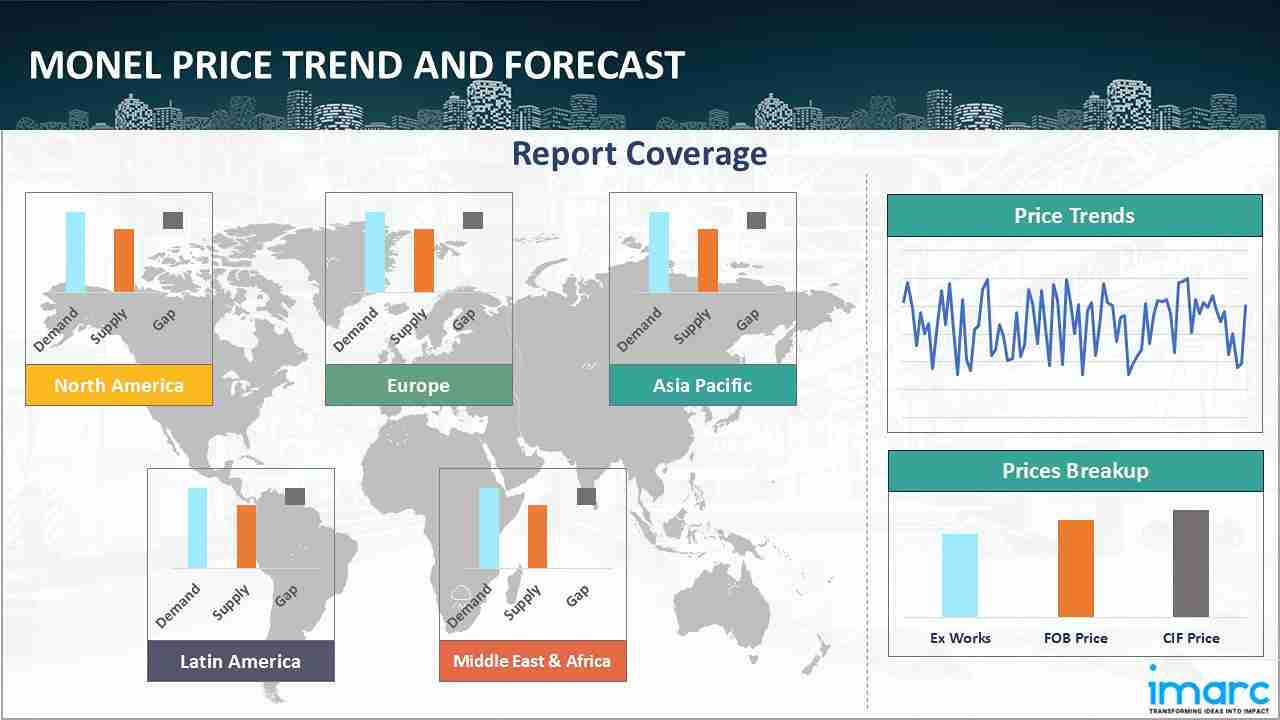
The report provides a detailed analysis of the market across different regions, each with unique pricing dynamics influenced by localized market conditions, supply chain intricacies, and geopolitical factors. This includes price trends, price forecast and supply and demand trends for each region, along with spot prices by major ports. The report also provides coverage of FOB and CIF prices, as well as the key factors influencing monel prices.
North America Monel Price Trend
Q2 2026:
The monel price index in North America strengthened as higher nickel and copper replacement costs filtered into specialty alloy quotations. Producers and distributors maintained firmer offers because corrosion resistant alloy demand remained supported by aerospace, defense, marine, chemical processing, and industrial maintenance activity. Supply availability was manageable, but qualified specialty material required controlled production schedules and certification, which limited aggressive discounting. Buyers continued to purchase carefully and avoided excessive inventory accumulation, yet essential fabrication and maintenance requirements sustained order flow. Import costs and freight exposure also influenced replacement values for certain alloy forms and raw materials. The upward movement remained measured because downstream customers closely monitored project budgets and resisted rapid increases where alternative purchasing schedules were possible.
Q1 2026:
The monel price index in North America declined as weak procurement weighed on the market. Demand from aerospace, marine, industrial fabrication, and chemical processing sectors remained cautious. Buyers delayed fresh purchases and relied on previously secured inventories. Suppliers reduced offers to encourage spot activity and protect sales volumes. Raw material cost support was not strong enough to offset slower downstream consumption. Import availability improved, increasing competition in the domestic market.
Q2 2025:
As per the monel price index, in North America, monel pricing reflected raw material cost dynamics, particularly in nickel and copper sourced from domestic and international suppliers. Demand was supported by the aerospace, defense, and oil and gas sectors, while localized supply constraints emerged due to scheduled maintenance in alloy production facilities. Export activity to Europe and Asia influenced availability for domestic buyers, with logistics costs shaped by freight rates and port handling fees. Currency stability limited exchange-related cost fluctuations, though competitive sourcing from alternative corrosion-resistant alloys affected long-term purchasing commitments in certain industries.
Q1 2025:
As per the monel price index, in Q1 2025, monel pricing in North America during Q1 2025 reflected high raw material costs, particularly for nickel and copper. Strong demand from defense and offshore industries drove steady procurement, while manufacturing faced logistical disruptions and longer lead times. Imports were affected by lower volumes from Asian producers. Labor constraints at fabrication plants and tight domestic inventory also contributed to upward pricing pressure.
Specific monel historical data within the United States and Canada can also be provided.
| Region | Countries Covered |
|---|---|
| North America | United States and Canada |
Asia Pacific Monel Price Trend
Q2 2026:
The monel prices across Asia Pacific moved higher as nickel supply concerns and firmer copper costs increased the replacement expense for nickel copper alloys. Changes in nickel ore availability affected sentiment across the nickel chain and encouraged suppliers to maintain cautious pricing. Demand from marine equipment, chemical processing, advanced manufacturing, energy systems, and specialized engineering remained supportive in markets. Import dependent buyers faced exposure to freight and currency movements, which influenced procurement costs and encouraged shorter purchasing cycles. Producers and distributors avoided excessive stock building, helping maintain balanced availability and reducing pressure for discounting. The pace of price growth remained controlled because downstream manufacturing demand was uneven and buyers resisted aggressive increases.
Q1 2026:
In the Asia Pacific, monel prices showed an upward trend, supported by stronger buying in Japan and India. Demand improved from marine engineering, electronics, chemical processing, and industrial equipment sectors. Buyers increased procurement as fabrication schedules improved and raw material costs remained supportive. Japanese suppliers maintained firm offers due to steady precision alloy demand and limited discounting. Indian traders also raised offers as domestic consumption strengthened and import costs stayed firm. Regional availability was balanced, and sellers avoided aggressive price cuts.
Q2 2025:
In the Asia Pacific, monel pricing was guided by regional nickel and copper market conditions, with key sourcing from Indonesia, the Philippines, and Australia. Consumption was sustained by the shipbuilding, petrochemical, and electronics sectors, while domestic production costs were impacted by energy pricing and labor trends. Import costs were influenced by maritime freight rates and currency exchange movements against the US dollar. Strategic stockpiling by industrial buyers in some countries increased short-term demand, while competition from stainless steel and alternative nickel alloys affected material selection for certain projects.
Q1 2025:
In Asia Pacific, monel prices in Q1 2025 were shaped by mixed demand trends across industrial and marine applications. China’s export restrictions on nickel alloys and Southeast Asia’s limited output impacted regional availability. Rising energy and feedstock costs strained manufacturing margins, especially in India and South Korea. Currency volatility and freight delays added further complexity to cross-border procurement in the region.
This monel price analysis can be expanded to include a comprehensive list of countries within the region.
| Region | Countries Covered |
|---|---|
| Asia Pacific | China, India, Indonesia, Pakistan, Bangladesh, Japan, Philippines, Vietnam, Thailand, South Korea, Malaysia, Nepal, Taiwan, Sri Lanka, Hongkong, Singapore, Australia, and New Zealand, among other Asian countries. |
Europe Monel Price Trend
Q2 2026:
The monel price index in Europe moved upward as nickel and copper input costs strengthened and specialty alloy producers adjusted replacement values. European pricing remained supported by firm raw material procurement costs, energy expenses, and logistics exposure across metal supply chains. Demand from chemical processing, marine engineering, aerospace, defense, and industrial equipment provided a stable outlet for corrosion resistant nickel copper alloys. Buyers remained selective, but applications requiring certified performance offered limited substitution possibilities, which helped suppliers defend higher quotations. Uncertainty around metal supply and transport routes also encouraged cautious inventory management. This reduced pressure from excess stocks and supported gradual price increases.
Q1 2026:
The monel price index in Europe moved upward, supported by firmer demand from chemical processing, energy, marine, and precision engineering sectors. Buyers returned to the market after a phase of cautious inventory management. German market activity improved as fabricators and specialty alloy consumers increased procurement for corrosion resistant applications. Feedstock nickel and copper costs added support to producer offers. Regional mills also faced elevated energy, labor, and conversion costs, which limited price reductions. Import competition remained present, but buyers continued to value reliable supply and consistent grade quality.
Q2 2025:
As per the monel price index, European monel pricing was driven by fluctuations in nickel and copper feedstock costs, shaped by mining output trends and global trade flows. Demand from the aerospace, marine engineering, and chemical processing sectors remained steady, while supply was influenced by import volumes from the USA and Asia. Energy tariffs and environmental compliance costs affected domestic alloy production economics. Port congestion in major hubs increased shipping lead times, impacting supply chain fluidity. Currency variations against the US dollar adjusted the landed cost of imports, while competition from other high-performance alloys influenced procurement strategies in certain industrial applications.
Q1 2025:
As per the monel price index, monel prices in Europe were influenced by persistently high nickel costs and elevated energy prices affecting alloy manufacturing. Demand from the aerospace, marine, and chemical sectors stayed consistent, while fabrication lead times were extended due to skilled labor shortages. Environmental compliance costs and tighter emissions regulations increased production expenses. Import delays from Asian suppliers added supply-side pressure across key industrial markets.
This analysis can be extended to include detailed monel price information for a comprehensive list of countries.
| Region | Countries Covered |
|---|---|
| Europe | Germany, France, United Kingdom, Italy, Spain, Russia, Turkey, Netherlands, Poland, Sweden, Belgium, Austria, Ireland, Switzerland, Norway, Denmark, Romania, Finland, Czech Republic, Portugal, and Greece, among other European countries. |
Middle East and Africa Monel Price Trend
Q2 2026:
Monel prices in the Middle East and Africa followed an upward pattern as imported nickel and copper alloy costs increased and regional buyers faced higher replacement values. Demand from oil and gas equipment, desalination systems, marine infrastructure, chemical processing, and industrial maintenance supported consumption of corrosion resistant materials. The region remained sensitive to freight conditions because many buyers depend on imported specialty alloys and alloying inputs. Shipping uncertainty around major trade routes encouraged suppliers to protect margins and maintain firmer offers, especially for material requiring assured delivery schedules.
Q1 2026:
In the Middle East and Africa, monel prices increased as demand from oil and gas, desalination, marine, and infrastructure sectors improved. The UAE market received stronger project related inquiries for corrosion resistant alloy products. Buyers increased procurement to meet requirements in harsh operating environments. Import dependent supply chains remained stable, but freight, handling, and financing costs supported firmer delivered offers. Suppliers maintained stronger quotations due to better purchasing activity and raw material cost pressure. Regional distributors also replenished inventories after earlier cautious buying.
Q2 2025:
As per the monel price chart, in the Middle East and Africa, especially the UAE, monel pricing was shaped by feedstock procurement costs, largely dependent on imports of nickel and copper from global suppliers. Demand was concentrated in the offshore oil and gas, desalination, and marine infrastructure sectors. Shipping freight rates and port handling charges influenced delivered prices, while regional competition for raw materials among Gulf states affected supplier contract terms. The UAE’s currency stability against the US dollar reduced exchange-related volatility, and ongoing investments in industrial and energy infrastructure sustained consistent downstream consumption across the region.
Q1 2025:
Monel pricing in the Middle East and Africa, particularly the UAE, was driven by strong demand from desalination and oil and gas infrastructure projects. Limited local production capacity led to heavy reliance on imports from Europe and Asia. Shipping delays and increased global nickel prices raised procurement costs. Regional fabrication costs rose as utilities and machining inputs became more expensive.
In addition to region-wise data, information on monel prices for countries can also be provided.
| Region | Countries Covered |
|---|---|
| Middle East & Africa | Saudi Arabia, UAE, Israel, Iran, South Africa, Nigeria, Oman, Kuwait, Qatar, Iraq, Egypt, Algeria, and Morocco, among other Middle Eastern and African countries. |
Latin America Monel Price Trend
Q2 2026:
The abundant natural riches of Latin America, particularly in Chile and Brazil, have a significant impact on the region's monel market. However, the price of monel can fluctuate dramatically due to political instability and varying regulatory regimes.
Q1 2026:
The abundance of natural resources in Latin America, particularly in important nations like Chile and Brazil, greatly influences the continent's monel industry. However, political unpredictability and differing regulatory regimes frequently cause swings in monel prices, which lead to market instability.
Q2 2025:
Latin America's monel market is predominantly influenced by its rich natural reserves, particularly in countries like Chile and Brazil. However, political instability and inconsistent regulatory frameworks can lead to significant volatility in monel prices. Infrastructure challenges and logistical inefficiencies often impact the supply chain, affecting the region's ability to meet international demand consistently. Moreover, the monel price index, economic fluctuations, and currency devaluation are critical factors that need to be considered when analyzing monel pricing trends in this region.
This comprehensive review can be extended to include specific countries within the region.
| Region | Countries Covered |
|---|---|
| Latin America | Brazil, Mexico, Argentina, Columbia, Chile, Ecuador, and Peru, among other Latin American countries. |
Monel Pricing Report, Market Analysis, and News
IMARC's latest publication, “Monel Prices, Trend, Chart, Demand, Market Analysis, News, Historical and Forecast Data Report 2026 Edition,” presents a detailed examination of the monel market, providing insights into both global and regional trends that are shaping prices. This report delves into the spot price of monel at major ports and analyzes the composition of prices, including FOB and CIF terms. It also presents detailed monel prices trend analysis by region, covering North America, Europe, Asia Pacific, Latin America, and Middle East and Africa. The factors affecting monel pricing, such as the dynamics of supply and demand, geopolitical influences, and sector specific developments, are thoroughly explored. This comprehensive report helps stakeholders stay informed with the latest market news, regulatory updates, and technological progress, facilitating informed strategic decision-making and forecasting.
Monel Industry Analysis
The global monel market size reached 22.80 Thousand Tonnes in 2025. By 2034, IMARC Group expects the market to reach 31.27 Thousand Tonnes, at a projected CAGR of 3.57% during 2026-2034. The market is primarily driven by demand for corrosion resistant alloys in marine, oil and gas, chemical processing, and aerospace applications. Growth is also supported by rising use in harsh service environments, increasing maintenance needs, and steady demand for durable nickel copper alloy components in specialized industrial equipment.
Latest News and Developments:
- September 2024: Nuclear Fuel Complex (NFC), under the Department of Atomic Energy (DAE), developed indigenous Monel-400 alloy tubes in various sizes. These specially fabricated tubes, using NFC’s own technology, are expected to play a crucial role in space applications, offering enhanced performance for advanced space programs.
Product Description
Monel is a family of nickel copper alloys designed for applications requiring strength, toughness, and strong resistance to corrosion. Nickel and copper form the principal metallic base, while controlled amounts of iron, manganese, carbon, silicon, and other elements may be present depending on the grade. Monel Alloy 400 is a solid solution alloy that develops strength primarily through cold working, while Monel K500 contains additional alloying elements that permit greater strength and hardness. The material performs well in seawater, many chemical environments, and demanding industrial service. It is commonly supplied as plate, sheet, bar, rod, pipe, tubing, wire, forgings, and other fabricated forms. Major applications include marine hardware, pumps, valves, heat exchangers, chemical processing equipment, hydrocarbon service components, shafts, fasteners, and specialized engineering parts requiring reliable corrosion resistance and mechanical durability.
Report Coverage
| Key Attributes | Details |
|---|---|
| Product Name | Monel |
| Report Features | Exploration of Historical Trends and Market Outlook, Industry Demand, Industry Supply, Gap Analysis, Challenges, Monel Price Analysis, and Segment-Wise Assessment. |
| Currency/Units | US$ (Data can also be provided in local currency) or Metric Tons |
| Region/Countries Covered | The current coverage includes analysis at the global and regional levels only. Based on your requirements, we can also customize the report and provide specific information for the following countries: Asia Pacific: China, India, Indonesia, Pakistan, Bangladesh, Japan, Philippines, Vietnam, Thailand, South Korea, Malaysia, Nepal, Taiwan, Sri Lanka, Hongkong, Singapore, Australia, and New Zealand Europe: Germany, France, United Kingdom, Italy, Spain, Russia, Turkey, Netherlands, Poland, Sweden, Belgium, Austria, Ireland, Switzerland, Norway, Denmark, Romania, Finland, Czech Republic, Portugal and Greece North America: United States and Canada Latin America: Brazil, Mexico, Argentina, Columbia, Chile, Ecuador, and Peru Middle East & Africa: Saudi Arabia, UAE, Israel, Iran, South Africa, Nigeria, Oman, Kuwait, Qatar, Iraq, Egypt, Algeria, and Morocco The list of countries presented is not exhaustive. Information on additional countries can be provided if required by the client. |
| Information Covered for Key Suppliers |
|
| Customization Scope | The report can be customized as per the requirements of the customer |
| Report Price and Purchase Option |
Plan A: Monthly Updates - Annual Subscription
Plan B: Quarterly Updates - Annual Subscription
Plan C: Biannually Updates - Annual Subscription
|
| Post-Sale Analyst Support | 360-degree analyst support after report delivery |
| Delivery Format | PDF and Excel through email (We can also provide the editable version of the report in PPT/Word format on special request) |
Key Benefits for Stakeholders:
- IMARC’s report presents a detailed analysis of monel price index, covering global and regional trends, spot prices at key ports, and a breakdown of ex-works, FOB, and CIF prices.
- The study examines factors affecting monel price trend, including supply-demand shifts and geopolitical impacts, offering insights for informed decision-making.
- The competitive landscape review equips stakeholders with crucial insights into the latest market news, regulatory changes, and technological advancements, ensuring a well-rounded, strategic overview for forecasting and planning.
- IMARC offers various subscription options, including monthly, quarterly, and biannual updates, allowing clients to stay informed with the latest market trends, ongoing developments, and comprehensive market insights. The monel price charts ensure our clients remain at the forefront of the industry.
Need more help?
- Speak to our experienced analysts for insights on the current market scenarios.
- Include additional segments and countries to customize the report as per your requirement.
- Gain an unparalleled competitive advantage in your domain by understanding how to utilize the report and positively impacting your operations and revenue.
- For further assistance, please connect with our analysts.
 Request Customization
 Inquire Before Buying
 Speak to an Analyst
 Request Brochure
Benefits of Customization
- Personalize this research
- Triangulate with your data
- Get data as per your format and definition
- Gain a deeper dive into a specific application, geography, customer, or competitor
- Any level of personalization
Get in Touch With Us
UNITED STATES
Phone: +1-201-971-6302
INDIA
Phone: +91-120-433-0800
UNITED KINGDOM
Phone: +44-753-714-6104
Email: [email protected]
Client Testimonials




.webp)




.webp)













Related Reports

Why Choose Us
IMARC offers trustworthy, data-centric insights into commodity pricing and evolving market trends, enabling businesses to make well-informed decisions in areas such as procurement, strategic planning, and investments. With in-depth knowledge spanning more than 1000 commodities and a vast global presence in over 150 countries, we provide tailored, actionable intelligence designed to meet the specific needs of diverse industries and markets.
1000
+Commodities
150
+Countries Covered
3000
+Clients
20
+Industry

Robust Methodologies & Extensive Resources
IMARC delivers precise commodity pricing insights using proven methodologies and a wealth of data to support strategic decision-making.

Subscription-Based Databases
Our extensive databases provide detailed commodity pricing, import-export trade statistics, and shipment-level tracking for comprehensive market analysis.

Primary Research-Driven Insights
Through direct supplier surveys and expert interviews, we gather real-time market data to enhance pricing accuracy and trend forecasting.

Extensive Secondary Research
We analyze industry reports, trade publications, and market studies to offer tailored intelligence and actionable commodity market insights.
Trusted by 3000+ industry leaders worldwide to drive data-backed decisions. From global manufacturers to government agencies, our clients rely on us for accurate pricing, deep market intelligence, and forward-looking insights.