
Methacrylic Acid Prices, Trend, Chart, Demand, Market Analysis, News, Historical and Forecast Data Report 2025 Edition
Methacrylic Acid Price Trend, Index and Forecast
Track the latest insights on methacrylic acid price trend and forecast with detailed analysis of regional fluctuations and market dynamics across North America, Latin America, Central Europe, Western Europe, Eastern Europe, Middle East, North Africa, West Africa, Central and Southern Africa, Central Asia, Southeast Asia, South Asia, East Asia, and Oceania.
Methacrylic Acid Prices Outlook Q3 2025
- USA: USD 2547/MT
- China: USD 1840/MT
- Germany: USD 2633/MT
- Saudi Arabia: USD 1762/MT
- Japan: USD 2396/MT
Methacrylic Acid Price Chart
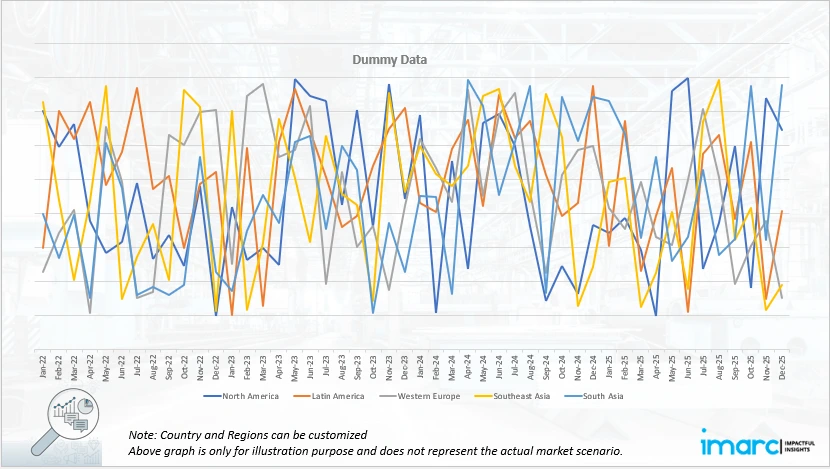
Get real-time access to monthly/quaterly/yearly prices, Request Sample
During the third quarter of 2025, the methacrylic acid prices in the USA reached 2547 USD/MT in September. The market experienced downward price movement driven by weaker downstream demand from coatings and adhesives manufacturers. Inventory levels remained elevated across distribution channels, limiting supplier pricing power. Reduced operating rates at acrylic derivative plants further softened procurement activity.
During the third quarter of 2025, the methacrylic acid prices in China reached 1840 USD/MT in September. The market remained under pressure due to subdued consumption from polymer and resin producers. Operating rates at domestic manufacturing facilities were adjusted to manage excess supply, yet availability remained sufficient. Export demand softened, reducing outbound shipment volumes and increasing local inventories.
During the third quarter of 2025, the methacrylic acid prices in Germany reached 2633 USD/MT in September. The market reflected weak demand from automotive coatings and construction-related applications. Industrial activity slowed, reducing offtake volumes from key downstream sectors. Producers faced sustained pressure from imported material within the European market, intensifying competition.
During the third quarter of 2025, the methacrylic acid prices in Saudi Arabia reached 1762 USD/MT in September. Regional demand weakened due to slower activity in the construction coatings and plastic compounding sectors. Ample domestic production ensured a consistent supply, limiting any scarcity-driven price movement. Export opportunities into Asia and Africa softened, increasing material availability within the domestic market.
During the third quarter of 2025, the methacrylic acid prices in Japan reached 2396 USD/MT in September. The Japanese market was influenced by declining demand from electronics coatings and specialty polymer manufacturers. Production levels were aligned with moderate domestic consumption, preventing supply tightness. Export demand softened, particularly from neighboring Asian markets, increasing local availability.
Methacrylic Acid Prices Outlook Q2 2025
- United States: USD 2750/MT
- China: USD 1900/MT
- Germany: USD 2700/MT
- Saudi Arabia: USD 1800/MT
- Japan: USD 2435/MT
During the second quarter of 2025, the methacrylic acid prices in the United States reached 2750 USD/MT in June. Methacrylic acid prices in the USA this quarter were influenced by fluctuations in acetone and isobutylene feedstock costs, which were impacted by crude oil market movements and refinery operations. Demand from the construction, adhesives, and surface coatings sectors remained steady but varied by region due to weather-related project delays. Transport inefficiencies, particularly in rail and trucking, contributed to longer lead times. Regulatory compliance costs and inventory holding adjustments also played a role in shaping price dynamics.
During the second quarter of 2025, methacrylic acid prices in China reached 1900 USD/MT in June. In China, methacrylic acid pricing was affected by volatility in upstream feedstock costs, particularly acetone and isobutylene, which responded to changes in domestic refinery utilization rates and import volumes. Demand remained firm in the automotive coatings, electronics, and plastics sectors. Environmental inspections led to temporary shutdowns at some chemical plants, tightening local supply. Additionally, export volumes shifted due to changing trade policies, impacting domestic availability and altering distributor pricing strategies in key industrial zones.
During the second quarter of 2025, the methacrylic acid prices in Germany reached 2700 USD/MT in June. Methacrylic acid prices in Germany were impacted by upstream raw material cost fluctuations, particularly in acetone and isobutylene, which were influenced by supply variations from European petrochemical complexes. Demand from the construction chemicals and automotive coatings sectors showed seasonal strength. Energy costs remained a pressure point for producers, with carbon-related compliance costs adding further production expense. Logistics disruptions due to river transport constraints and regional trucking shortages also contributed to supply-side challenges during this quarter.
During the second quarter of 2025, the methacrylic acid prices in Saudi Arabia reached 1800 USD/MT in June. In Saudi Arabia, methacrylic acid pricing was shaped by upstream feedstock costs and refinery output adjustments that influenced isobutylene and acetone availability. Steady demand from the construction, adhesives, and plastics modification sectors supported consistent consumption. Export-oriented production strategies influenced local supply conditions, while logistical shifts in regional shipping lanes affected distribution timing. Additionally, cost inputs from utilities and labor saw variation, affecting the production economics for domestic manufacturers across key industrial hubs.
During the second quarter of 2025, the methacrylic acid prices in Japan reached 2435 USD/MT in June. Methacrylic acid prices in Japan were driven by fluctuations in acetone and isobutylene costs, linked to both crude oil trends and supply chain movements across Asia. Demand from the electronics, optics, and performance polymers sectors remained consistent, although production adjustments at select downstream facilities influenced procurement volumes. Import cost dynamics were impacted by exchange rate changes, while port congestion and shipment scheduling issues affected delivery timelines. These factors collectively added complexity to market pricing structures.
Methacrylic Acid Prices Outlook Q1 2025
- USA: USD 2,470/MT
- China: USD 2,007/MT
- Germany: USD 2,488/MT
- Saudi Arabia: USD 1,778/MT
Regional Coverage
The report provides a detailed analysis of the market across different regions, each with unique pricing dynamics influenced by localized market conditions, supply chain intricacies, and geopolitical factors. This includes price trends, price forecast and supply and demand trends for each region, along with spot prices by major ports. The report also provides coverage of FOB and CIF prices, as well as the key factors influencing methacrylic acid prices.
Europe Methacrylic Acid Price Trend
Q3 2025:
During the third quarter of 2025, methacrylic acid price index trends in Europe reflected a broadly bearish market environment. Demand from the automotive, construction, and industrial coatings sectors remained subdued. Energy cost stability removed a key support factor for producers. Import competition within the region increased availability, intensifying price pressure. Inventory levels remained comfortable, limiting spot market activity. Buyers adopted cautious procurement strategies, favoring contractual stability over volume growth.
Q2 2025:
As per the methacrylic acid price index, European prices this quarter were influenced by fluctuations in acetone and isobutylene feedstock availability, largely driven by operational rates at regional refineries and petrochemical plants. Demand from the construction, automotive coatings, and adhesives sectors remained active, particularly in Western Europe. Rising energy and carbon compliance costs continued to elevate production expenses. Inland transportation delays due to labor shortages and port-side backlogs also affected supply consistency. Additionally, maintenance shutdowns at select facilities created temporary supply constraints across Central Europe.
This analysis can be extended to include detailed methacrylic acid price information for a comprehensive list of countries.
| Region | Countries Covered |
|---|---|
| Europe | Germany, France, United Kingdom, Italy, Spain, Russia, Turkey, Netherlands, Poland, Sweden, Belgium, Austria, Ireland, Switzerland, Norway, Denmark, Romania, Finland, Czech Republic, Portugal, and Greece, among other European countries. |
North America Methacrylic Acid Price Trend
Q3 2025:
Methacrylic acid price index trends in North America were shaped by soft downstream demand and ample supply. Coatings and polymer sectors showed limited offtake growth. Feedstock cost moderation reduced production cost pressure. Import availability increased competition among suppliers. Inventory accumulation constrained new procurement. Buyers focused on short-term purchasing, anticipating further price corrections. The regional market remained under downward pricing pressure throughout the quarter.
Q2 2025:
As per the methacrylic acid price index, in North America, methacrylic acid pricing was shaped by variable feedstock costs, especially acetone and isobutylene, which responded to shifts in crude oil benchmarks and refinery run rates. Demand from the building materials, paints and coatings, and plastics sectors remained stable but regionally uneven due to project delays and weather disruptions. Logistics inefficiencies, including driver shortages and congested freight networks, affected delivery timelines. Inventory holding strategies were also adjusted in response to import flow changes and domestic supply reliability concerns.
Specific methacrylic acid historical data within the United States and Canada can also be provided.
| Region | Countries Covered |
|---|---|
| North America | United States and Canada |
Middle East and Africa Methacrylic Acid Price Trend
Q3 2025:
During the third quarter of 2025, the Middle East and Africa region experienced soft methacrylic acid pricing due to weak construction and industrial demand. Domestic production ensured a steady supply. Export opportunities softened, increasing regional availability. Feedstock access remained efficient, stabilizing production economics. Buyers prioritized inventory management, limiting price recovery. Overall, the market reflected balanced supply and restrained demand.
Q2 2025:
As per the methacrylic acid price chart, in the Middle East and Africa, particularly in Saudi Arabia, methacrylic acid pricing was driven by shifts in acetone and isobutylene feedstock availability, influenced by upstream production planning and refinery output levels. Demand from the adhesives, construction, and industrial coatings sectors held steady. Export-oriented supply strategies affected local availability, with producers prioritizing international markets. Additionally, regional freight costs and changing labor expenses contributed to manufacturing and distribution adjustments. Utility costs also remained a key factor shaping production economics.
In addition to region-wise data, information on methacrylic acid prices for countries can also be provided.
| Region | Countries Covered |
|---|---|
| Middle East & Africa | Saudi Arabia, UAE, Israel, Iran, South Africa, Nigeria, Oman, Kuwait, Qatar, Iraq, Egypt, Algeria, and Morocco, among other Middle Eastern and African countries. |
Asia Pacific Methacrylic Acid Price Trend
Q3 2025:
During the third quarter of 2025, Asia Pacific markets saw declining methacrylic acid prices amid weak downstream consumption. Export demand softened across key markets. Production rates were adjusted, but supply remained adequate. Feedstock stability prevented cost-driven price support. Buyers adopted conservative sourcing strategies. The regional market remained oversupplied, supporting bearish pricing trends.
Q2 2025:
Methacrylic acid prices in the Asia Pacific region were influenced by volatility in raw material markets, particularly for acetone and isobutylene, impacted by crude oil price trends and refinery utilization rates. Demand from the electronics, packaging, and coatings sectors remained strong, especially in China, South Korea, and Southeast Asia. Temporary production curtailments due to environmental audits in China and plant maintenance in South Korea tightened supply in several sub-regions. Elevated freight rates and container shortages further complicated procurement strategies across the region.
This methacrylic acid price analysis can be expanded to include a comprehensive list of countries within the region.
| Region | Countries Covered |
|---|---|
| Asia Pacific | China, India, Indonesia, Pakistan, Bangladesh, Japan, Philippines, Vietnam, Thailand, South Korea, Malaysia, Nepal, Taiwan, Sri Lanka, Hongkong, Singapore, Australia, and New Zealand, among other Asian countries. |
Latin America Methacrylic Acid Price Trend
Q3 2025:
Latin America's methacrylic acid market is predominantly influenced by its rich natural reserves, particularly in countries like Chile and Brazil. However, political instability and inconsistent regulatory frameworks can lead to significant volatility in methacrylic acid prices.
Q2 2025:
Infrastructure challenges and logistical inefficiencies often impact the supply chain, affecting the region's ability to meet international demand consistently. Moreover, the methacrylic acid price index, economic fluctuations, and currency devaluation are critical factors that need to be considered when analyzing methacrylic acid pricing trends in this region.
This comprehensive review can be extended to include specific countries within the region.
| Region | Countries Covered |
|---|---|
| Latin America | Brazil, Mexico, Argentina, Columbia, Chile, Ecuador, and Peru, among other Latin American countries. |
Methacrylic Acid Pricing Report, Market Analysis, and News
IMARC's latest publication, “Methacrylic Acid Prices, Trend, Chart, Demand, Market Analysis, News, Historical and Forecast Data Report 2025 Edition,” presents a detailed examination of the methacrylic acid market, providing insights into both global and regional trends that are shaping prices. This report delves into the spot price of methacrylic acid at major ports and analyzes the composition of prices, including FOB and CIF terms. It also presents detailed methacrylic acid prices trend analysis by region, covering North America, Europe, Asia Pacific, Latin America, and Middle East and Africa. The factors affecting methacrylic acid pricing, such as the dynamics of supply and demand, geopolitical influences, and sector-specific developments, are thoroughly explored. This comprehensive report helps stakeholders stay informed with the latest market news, regulatory updates, and technological progress, facilitating informed strategic decision-making and forecasting.
Methacrylic Acid Industry Analysis
The global methacrylic acid market size reached USD 1.5 Billion in 2025. By 2034, IMARC Group expects the market to reach USD 2.2 Billion, at a projected CAGR of 4.23% during 2034. The market is primarily driven by the rising demand from coatings and adhesives industries, expanding applications in acrylic polymers and resins, and growing construction and automotive sector activity supporting consistent downstream consumption across both developed and emerging industrial markets.
Latest News and Developments:
- July 2025: Researchers developed a novel Cu-modified P-Mo-V heteropoly compound catalyst that significantly improves the oxidation of methacrolein to methacrylic acid. The addition of copper enhanced catalytic performance by substantially improving methacrolein conversion and product yield. Structural analysis showed improved oxidation–reduction capability due to isolated Cu atoms altering the catalyst’s electronic structure and reaction pathway. The findings provide new insights into catalyst modification strategies and highlight the potential of elemental tuning to enhance catalytic efficiency in organic synthesis.
Product Description
Methacrylic acid (MAA) is an organic compound that appears as a colorless liquid with a strong pungent odor and is a member of the carboxylic acid family. It has a similar structure to the acrylic acid but has a methyl group attached to the alpha carbon. Methacrylic acid is produced from the oxidation of either isobutene or tert-butanol, which is carried out using selective catalysts under suitable conditions where there is a high conversion and selectivity to methacrylic acid reaching the desired specification; therefore, the method of manufacture is best referred to as the 'catalytic oxo process'.
Methacrylic acid is a key intermediate in the manufacture of many polymers and copolymers. It is especially crucial in the production of PMMA, which is used as a glass alternative because it is transparent and takes long before it fades. The reasons to use methacrylic acid include its value in performance characteristics of material; for example, it develops the heat resistance, flexibility, and adhesion of polymer. These qualities have made it fit in industries like automotive, and electronics among other industries which use materials that need to be strong while withstanding harsh conditions.
Report Coverage
| Key Attributes | Details |
|---|---|
| Product Name | Methacrylic Acid |
| Report Features | Exploration of Historical Trends and Market Outlook, Industry Demand, Industry Supply, Gap Analysis, Challenges, Methacrylic Acid Price Analysis, and Segment-Wise Assessment. |
| Currency/Units | US$ (Data can also be provided in local currency) or Metric Tons |
| Region/Countries Covered | The current coverage includes analysis at the global and regional levels only. Based on your requirements, we can also customize the report and provide specific information for the following countries: Asia Pacific: China, India, Indonesia, Pakistan, Bangladesh, Japan, Philippines, Vietnam, Thailand, South Korea, Malaysia, Nepal, Taiwan, Sri Lanka, Hongkong, Singapore, Australia, and New Zealand* Europe: Germany, France, United Kingdom, Italy, Spain, Russia, Turkey, Netherlands, Poland, Sweden, Belgium, Austria, Ireland, Switzerland, Norway, Denmark, Romania, Finland, Czech Republic, Portugal and Greece* North America: United States and Canada Latin America: Brazil, Mexico, Argentina, Columbia, Chile, Ecuador, and Peru* Middle East & Africa: Saudi Arabia, UAE, Israel, Iran, South Africa, Nigeria, Oman, Kuwait, Qatar, Iraq, Egypt, Algeria, and Morocco* *The list of countries presented is not exhaustive. Information on additional countries can be provided if required by the client. |
| Information Covered for Key Suppliers |
|
| Customization Scope | The report can be customized as per the requirements of the customer |
| Report Price and Purchase Option |
Plan A: Monthly Updates - Annual Subscription
Plan B: Quarterly Updates - Annual Subscription
Plan C: Biannually Updates - Annual Subscription
|
| Post-Sale Analyst Support | 360-degree analyst support after report delivery |
| Delivery Format | PDF and Excel through email (We can also provide the editable version of the report in PPT/Word format on special request) |
Key Benefits for Stakeholders:
- IMARC’s report presents a detailed analysis of methacrylic acid pricing, covering global and regional trends, spot prices at key ports, and a breakdown of FOB and CIF prices.
- The study examines factors affecting methacrylic acid price trend, including input costs, supply-demand shifts, and geopolitical impacts, offering insights for informed decision-making.
- The competitive landscape review equips stakeholders with crucial insights into the latest market news, regulatory changes, and technological advancements, ensuring a well-rounded, strategic overview for forecasting and planning.
- IMARC offers various subscription options, including monthly, quarterly, and biannual updates, allowing clients to stay informed with the latest market trends, ongoing developments, and comprehensive market insights. The methacrylic acid price charts ensure our clients remain at the forefront of the industry.
Need more help?
- Speak to our experienced analysts for insights on the current market scenarios.
- Include additional segments and countries to customize the report as per your requirement.
- Gain an unparalleled competitive advantage in your domain by understanding how to utilize the report and positively impacting your operations and revenue.
- For further assistance, please connect with our analysts.
 Request Customization
 Inquire Before Buying
 Speak to an Analyst
 Request Brochure
Benefits of Customization
- Personalize this research
- Triangulate with your data
- Get data as per your format and definition
- Gain a deeper dive into a specific application, geography, customer, or competitor
- Any level of personalization
Get in Touch With Us
UNITED STATES
Phone: +1-201-971-6302
INDIA
Phone: +91-120-433-0800
UNITED KINGDOM
Phone: +44-753-714-6104
Email: sales@imarcgroup.com
Client Testimonials




.webp)




.webp)













Why Choose Us
IMARC offers trustworthy, data-centric insights into commodity pricing and evolving market trends, enabling businesses to make well-informed decisions in areas such as procurement, strategic planning, and investments. With in-depth knowledge spanning more than 1000 commodities and a vast global presence in over 150 countries, we provide tailored, actionable intelligence designed to meet the specific needs of diverse industries and markets.
1000
+Commodities
150
+Countries Covered
3000
+Clients
20
+Industry

Robust Methodologies & Extensive Resources
IMARC delivers precise commodity pricing insights using proven methodologies and a wealth of data to support strategic decision-making.

Subscription-Based Databases
Our extensive databases provide detailed commodity pricing, import-export trade statistics, and shipment-level tracking for comprehensive market analysis.

Primary Research-Driven Insights
Through direct supplier surveys and expert interviews, we gather real-time market data to enhance pricing accuracy and trend forecasting.

Extensive Secondary Research
We analyze industry reports, trade publications, and market studies to offer tailored intelligence and actionable commodity market insights.
Trusted by 3000+ industry leaders worldwide to drive data-backed decisions. From global manufacturers to government agencies, our clients rely on us for accurate pricing, deep market intelligence, and forward-looking insights.