
Diamond Prices, Trend, Chart, Demand, Market Analysis, News, Historical and Forecast Data Report 2026 Edition
Diamond Price Trend, Index and Forecast
Track the latest insights on diamond price trend and forecast with detailed analysis of regional fluctuations and market dynamics across North America, Latin America, Central Europe, Western Europe, Eastern Europe, Middle East, North Africa, West Africa, Central and Southern Africa, Central Asia, Southeast Asia, South Asia, East Asia, and Oceania.
Diamond Prices Outlook Q1 2026
- USA: USD 4,456/Carat
- Canada: USD 4,045/Carat
- India: USD 3,369/Carat
- Australia: USD 4,262/Carat
- Saudi Arabia: USD 3,117/Carat
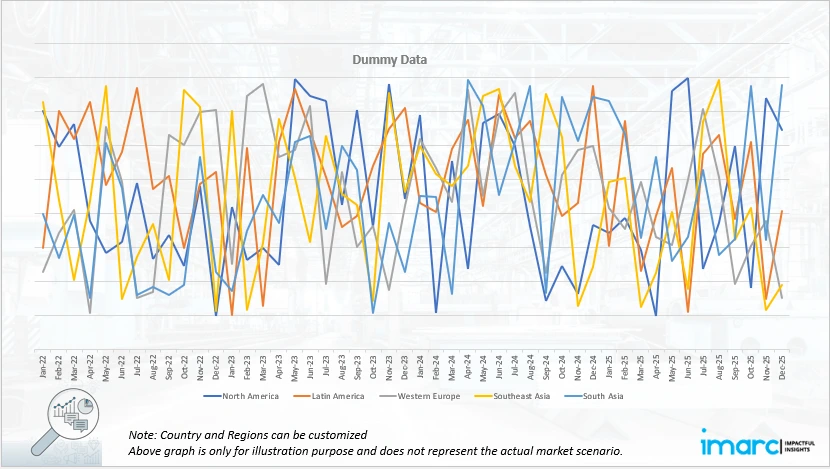
Diamond Prices Price Chart
Get real-time access to monthly/quarterly/yearly prices Request Sample
During the first quarter of 2026, the diamond prices in the USA reached 4,456 USD/Carat in March. Prices moved upward as retailers focused on higher value natural stones and maintained selective procurement ahead of bridal and gifting demand. Demand for larger and better graded diamonds supported firmer sentiment, while entry level stones remained exposed to substitution from lab grown diamonds. Retailers avoided broad inventory expansion, but steady interest in certified stones supported price gains.
During the first quarter of 2026, the diamond prices in Canada reached 4,045 USD/Carat in March. The market recorded a mild increase as polished diamond availability stayed controlled and retailers remained focused on quality driven purchases. Demand from bridal jewelry and premium gift categories helped support prices, particularly for certified stones with stronger clarity and color grades. Importers remained selective as lower priced categories faced pressure from lab grown alternatives and slower turnover at retail stores.
During the first quarter of 2026, the diamond prices in India reached 3,369 USD/Carat in March. Prices declined as domestic cutters and polishers faced cautious export orders and reduced appetite for lower value natural stones. Buyers remained price sensitive, and manufacturers kept rough diamond procurement limited to avoid carrying unsold polished inventory. The market was also affected by stronger competition from lab grown diamonds, especially in smaller sizes and commercial jewelry grades.
During the first quarter of 2026, the diamond prices in Australia reached 4,262 USD/Carat in March. Prices increased as local demand remained supported by premium jewelry purchases and controlled supply from the natural diamond channel. Retailers focused on certified stones and maintained targeted inventory coverage rather than broad restocking. Mining supply discipline and selective release of rough diamonds helped sustain firmer price sentiment.
During the first quarter of 2026, the diamond prices in Saudi Arabia reached 3,117 USD/Carat in March. The market strengthened as luxury jewelry demand remained firm across gifting, wedding, and high value retail channels. Buyers showed a preference for certified natural diamonds, especially pieces linked with premium jewelry sets and customized designs. Importers kept procurement selective, which limited excess availability and helped sustain price gains.
Diamond Prices Outlook Q4 2025
- USA: USD 4,407/Carat
- Canada: USD 4,018/Carat
- India: USD 3,442/Carat
- Australia: USD 4,230/Carat
- Saudi Arabia: USD 3,052/Carat
During the fourth quarter of 2025, the diamond prices in the United States reached 4,407 USD/Carat in December. Prices declined due to subdued luxury jewelry demand amid cautious consumer spending and slower retail turnover. Reduced procurement by high end jewelry manufacturers and inventory destocking across major distribution channels added downward pressure. Import activity weakened as buyers delayed purchases in anticipation of further corrections. Additionally, increased availability of lab grown alternatives softened demand for natural diamonds.
During the fourth quarter of 2025, the diamond prices in Canada reached 4,018 USD/Carat in December. The market experienced declining prices as export demand from key trading partners weakened. Slower movement from domestic cutting and polishing units reduced procurement volumes. Inventory accumulation from previous quarters contributed to price softness, while limited fresh buying interest kept negotiations conservative. Supply remained sufficient, and sellers adopted flexible pricing strategies to maintain cash flow.
During the fourth quarter of 2025, the diamond prices in India reached 3,442 USD/Carat in December. Prices declined due to weak international demand impacting the country’s polishing and re-export segments. Manufacturers curtailed operations to manage excess inventory, reducing raw diamond intake. Export orders from major consuming regions slowed, affecting overall market liquidity. Credit constraints for small and mid sized processors further restricted buying activity.
During the fourth quarter of 2025, the diamond prices in Australia reached 4,230 USD/Carat in December. The market faced price declines driven by reduced luxury consumption and limited wholesale demand. Jewelry retailers maintained cautious purchasing strategies, leading to lower upstream procurement. Supply remained stable, but weaker demand fundamentals outweighed any support from mining output constraints. Importers focused on clearing existing inventories rather than replenishment, which contributed to sustained downward pricing momentum.
During the fourth quarter of 2025, the diamond prices in Saudi Arabia reached 3,052 USD/Carat in December. Prices weakened due to reduced regional jewelry trade activity and cautious consumer sentiment. Demand from high end retail segments slowed, while wholesalers limited restocking. Ample availability from international suppliers intensified competition, encouraging price concessions. Trade activity remained subdued as buyers adopted a wait and see approach, reinforcing the overall declining price trend during the quarter.
Diamond Prices Outlook Q3 2025
- USA: USD 4,538/Carat
- Canada: USD 4,096/Carat
- India: USD 3,545/Carat
- Australia: USD 4,316/Carat
- Saudi Arabia: USD 3,111/Carat
During the third quarter of 2025, the diamond prices in the USA reached 4,538 USD/Carat in September. Prices moved upward as retailers increased procurement ahead of high-volume sales periods, while polished inventories tightened due to controlled release strategies by key suppliers. Inland freight networks experienced intermittent delays, prompting careful restocking and reinforcing the quarter’s firm pricing structure.
During the third quarter of 2025, the diamond prices in Canada reached 4,096 USD/Carat in September. Values trended higher compared with the earlier quarter as several mining operations adjusted their output pacing, moderating available volumes. Export scheduling also underwent occasional revisions, affecting shipment flow. Consistent demand from domestic jewelry manufacturers supported the upward movement, keeping pricing on a firmer footing.
During the third quarter of 2025, the diamond prices in India reached 3,545 USD/Carat in September. Prices increased slightly as certain polishing clusters registered improved international inquiries. Inventory conditions remained balanced, allowing processors to maintain stable throughput. Currency fluctuations affected import-linked cost sentiment, while measured procurement by manufacturers contributed to a controlled upward trajectory.
During the third quarter of 2025, the diamond prices in Australia reached 4,316 USD/Carat in September. A steady increase was observed as supply-side adjustments, including periodic extraction moderation, supported firmer values. Export flows faced occasional shipping delays, influencing downstream availability. Demand from jewelry producers remained consistent, sustaining the upward movement across domestic trading channels.
During the third quarter of 2025, the diamond prices in Saudi Arabia reached 3,111 USD/Carat in September. Prices rose, driven by improved consumer sentiment and firmer procurement from jewelry retailers. Import-dependent supply chains experienced slight cost variations related to logistics, shaping purchasing strategies. Adequate availability ensured smooth trade, though the market maintained a mildly rising tone.
Diamond Prices Outlook Q2 2025
- USA: USD 4,439/Carat
- Canada: USD 4,020/Carat
- India: USD 3,475/Carat
- Australia: USD 4,200/Carat
- Saudi Arabia: USD 3,050/Carat
During the second quarter of 2025, the diamond prices in the USA reached 4,439 USD/Carat in June. In the United States, diamond prices in Q2 2025 were influenced by fluctuations in consumer demand within the luxury retail sector, particularly around delayed wedding seasons and moderate recovery in discretionary spending. Inventories across midstream players remained stable, but a cautious outlook from major jewelers led to reduced bulk purchases. Additionally, changes in import costs due to currency movements and logistical adjustments at key ports impacted pricing dynamics.
During the second quarter of 2025, diamond prices in Canada reached 4,020 USD/Carat in June. In Canada, prices were shaped by the output trends from major mining operations in the Northwest Territories, which experienced production disruptions due to labor shortages and seasonal weather challenges. The midstream sector saw restrained restocking behavior driven by tighter liquidity. Price adjustments were further influenced by exchange rate volatility against the US dollar and evolving trade flows with Asian and European buyers.
During the second quarter of 2025, the diamond prices in India reached 3,475 USD/Carat in June. In India, diamond pricing was impacted by relatively subdued export orders from Western markets, influencing polished diamond stock movement. The manufacturing sector operated below capacity due to persistent electricity shortages in Gujarat and labor migration issues. Additionally, fluctuations in the rupee affected procurement costs for rough diamonds, while trade policy uncertainties around import tariffs influenced short-term buying behavior among cutting and polishing units.
During the second quarter of 2025, the diamond prices in Australia reached 4,200 USD/Carat in June. Australian diamond prices in Q2 2025 were shaped by output levels from key mines, particularly in Western Australia, where production declined marginally due to equipment maintenance cycles. Export flows were realigned following logistical delays at Fremantle Port. Moreover, demand from Southeast Asian and Chinese buyers remained volatile, influencing auction dynamics. Currency depreciation against major trading partners also affected pricing strategies among domestic producers.
During the second quarter of 2025, the diamond prices in Saudi Arabia reached 3,050 USD/Carat in June. In Saudi Arabia, the diamond market was influenced by growing domestic demand linked to luxury retail expansion under the Vision 2030 initiative. Imports of high-grade stones rose, but price trends were moderated by longer customs clearance times and elevated insurance costs. The strength of the riyal against other currencies played a role in shaping landed costs, while regional geopolitical considerations affected international sourcing confidence.
Regional Coverage
The report provides a detailed analysis of the market across different regions, each with unique pricing dynamics influenced by localized market conditions, supply chain intricacies, and geopolitical factors. This includes price trends, price forecast and supply and demand trends for each region, along with spot prices by major ports. The report also provides coverage of FOB and CIF prices, as well as the key factors influencing diamond prices.
Europe Diamond Price Trend
Q1 2026:
The diamond price index in Europe showed varied trends, supported by selective demand for certified natural stones and limited availability of preferred grades. Luxury retailers remained cautious, but bridal and custom jewelry demand helped maintain procurement for better quality stones. Buyers avoided broad stock accumulation and focused on polished diamonds with clearer resale strength. Smaller stones continued to face pressure from lab grown substitutes, which limited price strength in commercial jewelry categories. Larger and higher quality diamonds attracted steadier interest, especially from jewelers serving affluent consumers.
Q4 2025:
Diamond price index trends across Europe reflected a broadly declining market environment. Luxury consumption softened amid cautious household spending, reducing downstream demand. Jewelry manufacturers operated at restrained utilization rates, limiting raw diamond procurement. Stable supply conditions combined with weak buying interest led to price corrections across major markets. Inventory optimization strategies further weighed on prices.
Q3 2025:
As per the diamond price index, Europe registered a modest upward trend driven by steady luxury retail activity across major markets. Western Europe saw firmer undertones supported by resilient consumer spending, while Central and Eastern Europe experienced measured procurement that helped balance overall regional movement. Polished diamond circulation across trading hubs stayed steady, although sporadic inland transport delays lengthened delivery windows. Import costs into key manufacturing centers displayed mild fluctuations, influencing purchasing strategies. These factors contributed to a moderately rising environment across the region.
Q2 2025:
European prices maintained high levels due to finite supplies. Production output was hampered by maintenance plans at refineries. Overall consumption did not significantly increase in spite of these supply-side issues, especially in the agricultural input segment. The market remained solid due to stable usage and limited availability. As a result, sustained supply pressures and steady downstream demands supported the diamond market's steady trajectory throughout the time frame.
Detailed price information for diamond can also be provided for an extensive list of European countries.
| Region | Countries Covered |
|---|---|
| Europe | Germany, France, United Kingdom, Italy, Spain, Russia, Turkey, Netherlands, Poland, Sweden, Belgium, Austria, Ireland, Switzerland, Norway, Denmark, Romania, Finland, Czech Republic, Portugal, and Greece, among other European countries. |
North America Diamond Price Trend
Q1 2026:
The diamond price index in North America moved upward, led by stronger pricing in the USA and Canada. Retail demand was supported by bridal jewelry, anniversary gifting, and a preference for certified natural diamonds in higher value categories. Sellers benefited from the controlled availability of preferred polished stones, while buyers kept procurement focused on faster moving grades. The market did not show broad speculative restocking, as retailers continued to manage working capital carefully. Lab grown diamonds remained a pressure point in lower priced jewelry, limiting upside for smaller commercial stones. Premium natural diamonds performed better, supported by customers seeking rarity, certification, and long term value.
Q4 2025:
Diamond price index trends in North America showed sustained downward pressure, reflecting broad weakness across the luxury value chain. Reduced discretionary spending significantly impacted retail jewelry sales, limiting replenishment activity at the wholesale level. Jewelry retailers prioritized cash preservation and delayed new procurement, which weakened upstream demand from cutters and traders. Wholesalers responded by accelerating inventory liquidation to manage holding costs and balance sheets, further increasing supply availability in the spot market.
Q3 2025:
As per the diamond price index, North America experienced a noticeable firming trend as demand for polished stones rose in preparation for seasonal sales periods. Export allocations from certain suppliers momentarily tightened domestic availability, contributing to stronger sentiment. Inland transportation faced periodic congestion, delaying restocking cycles. Downstream buyers adopted proactive procurement measures to maintain inventory coverage. Overall, cost pressures and robust demand created an upward-slanting pricing landscape.
Q2 2025:
In North America, diamond prices in Q2 2025 were influenced by moderate demand from the luxury goods sector, especially bridal jewelry, which saw shifts in consumer purchasing timelines. Mining operations in Canada encountered workforce constraints and seasonal disruptions, affecting rough diamond supply. In the United States, retail inventories remained balanced, but wholesalers adjusted procurement volumes in response to currency fluctuations and evolving consumer sentiment.
Specific diamond historical data within the United States and Canada can also be provided.
| Region | Countries Covered |
|---|---|
| North America | United States and Canada |
Middle East and Africa Diamond Price Trend
Q1 2026:
In the Middle East and Africa, diamond prices gained support as luxury demand remained active in key retail centers and supply was managed carefully across producing and trading channels. Saudi Arabia showed upward price movement, reflecting stronger jewelry demand from weddings, gifting, and premium retail purchases. Importers preferred certified natural diamonds and maintained limited inventory to avoid overexposure. In African producing markets, supply discipline and inventory handling influenced rough diamond flows, supporting firmer pricing in selected categories.
Q4 2025:
The Middle East and Africa region experienced declining diamond prices due to persistent softness in luxury retail demand. Consumer purchasing remained cautious, particularly in key jewelry markets, reducing overall trade volumes. Buyers across the region adopted conservative sourcing strategies, focusing on essential procurement rather than expansion. Trading activity slowed as wholesalers limited restocking and prioritized existing inventories.
Q3 2025:
Diamond pricing in the Middle East and Africa showed subtle upward cues influenced by intermittent adjustments in mining operations in certain producing areas. Some export shipments encountered port-related delays, extending lead times and shaping procurement behavior. Demand varied across subregions, with commercial centers reflecting slightly stronger activity. Despite these fluctuations, availability remained generally manageable. Mild logistical inefficiencies and selective tightening supported a gently rising regional pricing tone.
Q2 2025:
As per the diamond price chart, in the Middle East and Africa, prices were influenced by shifts in rough diamond production levels from key mines in Botswana, Namibia, and South Africa, where operational costs and labor availability affected output. In Saudi Arabia, expanding high-end retail and rising consumer interest under the Vision 2030 agenda increased import demand. However, regional logistical delays and geopolitical uncertainties contributed to fluctuations in pricing benchmarks.
Region-wise data and information on specific countries within these regions can also be provided.
| Region | Countries Covered |
|---|---|
| Middle East and Africa | Saudi Arabia, UAE, Israel, Iran, South Africa, Nigeria, Oman, Kuwait, Qatar, Iraq, Egypt, Algeria, and Morocco, among other Middle Eastern and African countries. |
Asia Pacific Diamond Price Trend
Q1 2026:
In the Asia Pacific, price trends were mixed, with India declining and Australia moving higher. India faced pressure from cautious export orders, weak demand for commercial stones, and reduced procurement by cutters seeking to limit inventory risk. The Indian market was also affected by competition from lab grown diamonds and uneven buying from key overseas destinations. Australia showed stronger pricing due to controlled supply and steady demand for premium certified stones. Across the region, traders stayed selective and focused on goods with clearer retail movement.
Q4 2025:
Asia Pacific diamond prices declined amid reduced export orders and subdued domestic consumption. Key manufacturing hubs faced weaker international demand, prompting processors to scale back operations and reduce raw diamond intake. Lower utilization rates across cutting and polishing centers dampened upstream buying activity. At the same time, domestic retail demand remained cautious, limiting the ability of the market to absorb available supply.
Q3 2025:
The Asia Pacific region posted a mix of firm and neutral pricing trends, influenced by activity in major manufacturing hubs such as China and India. Increased polished procurement in China supported firmer undertones, while India’s throughput aligned closely with evolving international demand. High-volume transport corridors experienced periodic slowdowns, affecting delivery efficiency. Currency movements shaped ordering strategies in Southeast Asia. With consumption generally steady and supply managed carefully, the region saw a moderated upward movement.
Q2 2025:
In the Asia Pacific region, pricing was driven by uneven demand recovery in the luxury and retail sectors, particularly in China and Japan, where consumer sentiment remained cautious. India’s polishing industry operated below optimal capacity due to energy shortages and labor dislocation, affecting midstream throughput. Additionally, delays in rough diamond shipments from African and Russian suppliers created mismatches in supply planning for key processing hubs.
This diamond price analysis can be expanded to include a comprehensive list of countries within the region.
| Region | Countries Covered |
|---|---|
| Asia Pacific | China, India, Indonesia, Pakistan, Bangladesh, Japan, Philippines, Vietnam, Thailand, South Korea, Malaysia, Nepal, Taiwan, Sri Lanka, Hongkong, Singapore, Australia, and New Zealand, among other Asian countries. |
Latin America Diamond Price Trend
Q1 2026:
A thorough overview is given by the analysis of diamond pricing in Latin America, which reflects the distinct market dynamics in the area impacted by trade frameworks, industrial growth, and economic policies.
Q4 2025:
Latin America's diamond market is predominantly influenced by its rich natural reserves, particularly in countries like Chile and Brazil. However, political instability and inconsistent regulatory frameworks can lead to significant volatility in diamond prices.
Q3 2025:
Infrastructure challenges and logistical inefficiencies often impact the supply chain, affecting Latin America’s ability to meet international demand consistently. Moreover, the diamond price index, economic fluctuations, and currency devaluation are critical factors that need to be considered when analyzing diamond pricing trends in this region.
This comprehensive review can be extended to include specific countries within Latin America.
| Region | Countries Covered |
|---|---|
| Latin America | Brazil, Mexico, Argentina, Columbia, Chile, Ecuador, and Peru, among other Latin American countries. |
Diamond Pricing Report, Market Analysis, and News
IMARC's latest publication, “Diamond Prices, Trend, Chart, Demand, Market Analysis, News, Historical and Forecast Data Report 2026 Edition,” presents a detailed examination of the diamond market, providing insights into both global and regional trends that are shaping prices. This report delves into the spot price of diamond at major ports and analyzes the composition of prices, including FOB and CIF terms. It also presents detailed diamond prices trend analysis by region, covering North America, Europe, Asia Pacific, Latin America, and Middle East and Africa. The factors affecting diamond pricing, such as the dynamics of supply and demand, geopolitical influences, and sector specific developments, are thoroughly explored. This comprehensive report helps stakeholders stay informed with the latest market news, regulatory updates, and technological progress, facilitating informed strategic decision-making and forecasting.
Diamond Industry Analysis
The global diamond industry size reached 126.70 Million Carats in 2025. By 2034, IMARC Group expects the market to reach 144.87 Million Carats, at a projected CAGR of 1.50% during 2026-2034. The industry is supported by resilient jewelry consumption, expanding luxury retail networks, improved manufacturing technologies, and sustained demand for high quality polished stones across developed and emerging markets.
Latest News and Developments:
- May 2025: Burgundy Diamond Mines formed a strategic global partnership with luxury jewelry houses to export and market its “fancy yellow” diamonds worldwide. The deal, struck between Burgundy Diamond Mines Ltd., André Messika Ltd., and Crossworks Manufacturing Ltd., aims to bring Burgundy’s sustainably mined Canadian diamonds to top-tier jewelry brands.
- May 2024: De Beers Group launched its latest diamond verification tool at the JCK trade show in Las Vegas, introducing advanced synthetic diamond detection technology to retail. This innovation marks its debut at consumer counters, aimed at distinguishing between natural diamonds and lab-grown diamonds (LGDs).
- May 2024: The International School of Gems & Jewelry (ISGJ) and the International Diamond Laboratory (IDL) jointly launched a center in Ahmedabad, India. This institute and testing laboratory, inaugurated with notable figures from the industry, aims to advance diamond, gemstone, and jewelry analysis and evaluation.
Product Description
Diamond is a crystalline form of carbon renowned for its exceptional hardness and brilliance. It is formed under high-pressure, high-temperature conditions in the Earth's mantle and brought to the surface through volcanic activity. Diamonds are composed entirely of carbon atoms arranged in a cubic crystal lattice, which gives them their extraordinary physical properties. This arrangement makes diamonds the hardest known natural material, capable of scratching any other substance.
Diamonds have a wide range of applications beyond their traditional use in jewelry. Due to their unparalleled hardness, they are extensively used in industrial applications for cutting, grinding, drilling, and polishing. Diamond-tipped tools are essential in mining, construction, and manufacturing industries, where precision and durability are critical. Additionally, diamonds are utilized in high-performance bearings and heat sinks due to their excellent thermal conductivity. Besides this, they are being explored in the field of electronics for use in semiconductor technology due to their ability to conduct heat and withstand high voltages.
Report Coverage
| Key Attributes | Details |
|---|---|
| Product Name | Diamond |
| Report Features | Exploration of Historical Trends and Market Outlook, Industry Demand, Industry Supply, Gap Analysis, Challenges, Diamond Price Analysis, and Segment-Wise Assessment. |
| Currency/Units | US$ (Data can also be provided in local currency) or Metric Tons |
| Region/Countries Covered | The current coverage includes analysis at the global and regional levels only. Based on your requirements, we can also customize the report and provide specific information for the following countries: Asia Pacific: China, India, Indonesia, Pakistan, Bangladesh, Japan, Philippines, Vietnam, Thailand, South Korea, Malaysia, Nepal, Taiwan, Sri Lanka, Hongkong, Singapore, Australia, and New Zealand Europe: Germany, France, United Kingdom, Italy, Spain, Russia, Turkey, Netherlands, Poland, Sweden, Belgium, Austria, Ireland, Switzerland, Norway, Denmark, Romania, Finland, Czech Republic, Portugal and Greece North America: United States and Canada Latin America: Brazil, Mexico, Argentina, Columbia, Chile, Ecuador, and Peru Middle East & Africa: Saudi Arabia, UAE, Israel, Iran, South Africa, Nigeria, Oman, Kuwait, Qatar, Iraq, Egypt, Algeria, and Morocco The list of countries presented is not exhaustive. Information on additional countries can be provided if required by the client. |
| Information Covered for Key Suppliers |
|
| Customization Scope | The report can be customized as per the requirements of the customer |
| Report Price and Purchase Option |
Plan A: Monthly Updates - Annual Subscription
Plan B: Quarterly Updates - Annual Subscription
Plan C: Biannually Updates - Annual Subscription
|
| Post-Sale Analyst Support | 360-degree analyst support after report delivery |
| Delivery Format | PDF and Excel through email (We can also provide the editable version of the report in PPT/Word format on special request) |
Key Benefits for Stakeholders:
- IMARC’s report presents a detailed analysis of diamond pricing, covering global and regional trends, spot prices at key ports, and a breakdown of FOB and CIF prices.
- The study examines factors affecting diamond price trend, including input costs, supply-demand shifts, and geopolitical impacts, offering insights for informed decision-making.
- The competitive landscape review equips stakeholders with crucial insights into the latest market news, regulatory changes, and technological advancements, ensuring a well-rounded, strategic overview for forecasting and planning.
- IMARC offers various subscription options, including monthly, quarterly, and biannual updates, allowing clients to stay informed with the latest market trends, ongoing developments, and comprehensive market insights. The diamond price charts ensure our clients remain at the forefront of the industry.
Need more help?
- Speak to our experienced analysts for insights on the current market scenarios.
- Include additional segments and countries to customize the report as per your requirement.
- Gain an unparalleled competitive advantage in your domain by understanding how to utilize the report and positively impacting your operations and revenue.
- For further assistance, please connect with our analysts.
 Request Customization
 Inquire Before Buying
 Speak to an Analyst
 Request Brochure
Benefits of Customization
- Personalize this research
- Triangulate with your data
- Get data as per your format and definition
- Gain a deeper dive into a specific application, geography, customer, or competitor
- Any level of personalization
Get in Touch With Us
UNITED STATES
Phone: +1-201-971-6302
INDIA
Phone: +91-120-433-0800
UNITED KINGDOM
Phone: +44-753-714-6104
Email: [email protected]
Client Testimonials




.webp)




.webp)













Why Choose Us
IMARC offers trustworthy, data-centric insights into commodity pricing and evolving market trends, enabling businesses to make well-informed decisions in areas such as procurement, strategic planning, and investments. With in-depth knowledge spanning more than 1000 commodities and a vast global presence in over 150 countries, we provide tailored, actionable intelligence designed to meet the specific needs of diverse industries and markets.
1000
+Commodities
150
+Countries Covered
3000
+Clients
20
+Industry

Robust Methodologies & Extensive Resources
IMARC delivers precise commodity pricing insights using proven methodologies and a wealth of data to support strategic decision-making.

Subscription-Based Databases
Our extensive databases provide detailed commodity pricing, import-export trade statistics, and shipment-level tracking for comprehensive market analysis.

Primary Research-Driven Insights
Through direct supplier surveys and expert interviews, we gather real-time market data to enhance pricing accuracy and trend forecasting.

Extensive Secondary Research
We analyze industry reports, trade publications, and market studies to offer tailored intelligence and actionable commodity market insights.
Trusted by 3000+ industry leaders worldwide to drive data-backed decisions. From global manufacturers to government agencies, our clients rely on us for accurate pricing, deep market intelligence, and forward-looking insights.